Updated
8 min read


QuickBooks is a widely used accounting software that simplifies financial management for businesses. However, like any software, it can sometimes encounter errors that disrupt workflow. One such issue is QuickBooks Error Code 1334, which typically appears during the installation, update, or repair process. If you encounter QuickBooks Error 1334 during QuickBooks Desktop installation, update, or repair, you usually receive messages such as these:
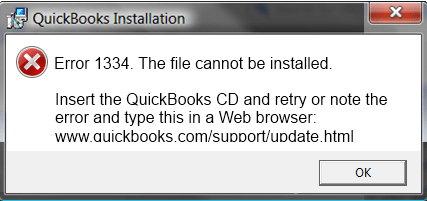
Error 1334 is usually caused by a damaged or missing .NET Framework or QuickBooks Desktop installation file. Any corruption or misconfiguration of these critical components can result in QuickBooks installation failures or software instability. Resolving Error 1334 is crucial to preventing disruptions to accounting tasks since QuickBooks requires a stable installation.
In this blog, we will explain the signs, potential causes and give step-by-step solutions to fix the error, ensuring QuickBooks Desktop runs smoothly.
The following signs may appear when Error 1334 occurs during QuickBooks Desktop installation, update, or repair:
By identifying these signs, you can diagnose Error 1334 early, allowing you to take corrective action before it impacts QuickBooks.
Facing QuickBooks Error 1334? Let’s Fix It!
Error 1334 can disrupt your workflow, but we’ve got the fix. Follow our steps or contact us to resolve it quickly!
A QuickBooks Desktop error 1334 most commonly occurs when the installation files, Windows components, or system settings are incorrect. The most common causes are:
By understanding these causes, you will be able to troubleshoot Error 1334 effectively and ensure a smooth installation or update.
Also read: Resolve QuickBooks Desktop Installation Errors in Windows and Mac
Identifying the cause of Error 1334 requires determining whether the file is missing, the .NET Framework is damaged, or there are restrictions on the system. Follow the right troubleshooting steps to fix the error and ensure QuickBooks installs, updates, or repairs successfully. The following solutions can help restore QuickBooks functionality and prevent future installation issues.
How to Get Started:
After uninstalling QuickBooks Desktop, reinstall it. QuickBooks will automatically create new folders and rename existing ones during reinstallation.
For further troubleshooting, proceed to Solution 2.
If the standard uninstallation process does not resolve the issue, you may need to manually uninstall QuickBooks and rename the installation folders.
For detailed steps, follow our article on manual uninstallation and folder renaming.
Hopefully these solutions will help you get rid of the error code 1334 in QuickBooks. Contact us if you face any problems with enabling or disabling .NET Framework, as the problem may be related to your operating system.
Having error 1334 in QuickBooks Desktop prevents the software from running correctly during installation, update, and repair. In most cases, this issue is caused by missing or damaged installation files, a corrupted .NET Framework, system permission restrictions, or interference from security software. It is essential to address these factors in order to ensure a seamless QuickBooks experience.
Use the QuickBooks Install Diagnostic Tool, check for Windows updates, or contact an IT professional or contact our QuickBooks Experts. It is important to maintain your system regularly and configure it correctly in order to ensure uninterrupted access to QuickBooks and its features. In case you need further assistance, contact our Certified ProAdvisors at +1-888-245-6075.
1. Run QuickBooks Install Diagnostic Tool.
2. Update Windows to the latest version.
3. Temporarily disable antivirus/firewall.
4. Run QuickBooks as an administrator.
5. Repair QuickBooks installation from Control Panel.
6. Use Selective Startup Mode for installation.
7. Reinstall QuickBooks using Clean Install Tool.
Insufficient administrator rights, damaged update files, or a corrupted QuickBooks installation can cause QuickBooks update installation to fail. Check your internet settings, disable your security software temporarily, run QuickBooks as administrator, or use the QuickBooks Tool Hub to fix the problem.
When the installation or update process is disrupted by invalid characters in the file path, corrupt registry entries, or insufficient user permissions, QuickBooks Error 1324 occurs. You can fix it by correcting folder names, running QuickBooks as an administrator, updating Windows, or using the QuickBooks Install Diagnostic Tool.
1. From the Control Panel, uninstall QuickBooks.
2. Use the QuickBooks Clean Install Tool to rename installation folders manually.
3. Start your computer again.
4. Use the original setup file to reinstall QuickBooks.
5. Update QuickBooks to the latest version and activate it.
1. Visit Intuit’s website to download the latest QuickBooks version.
2. Follow the on-screen instructions after running the installer.
3. Select the installation type (Express or Custom).
4. When prompted, enter your product and license keys.
5. If necessary, complete the installation and restart the computer.
6. Activate QuickBooks and update to the newest version.
The QuickBooks Error 1334 occurs during installation, update, or program launch due to missing or corrupted files, an incomplete installation, or a damaged .NET Framework. Ensure that QuickBooks is repaired, reinstalled using Clean Install Tool, Windows is updated, QuickBooks Install Diagnostic Tool is run, and that all system requirements are met before proceeding.
About the author
Have a QuickBooks® question? Our ProAdvisors can help. QAsolved is not affiliated with Intuit.