Updated
6 min read



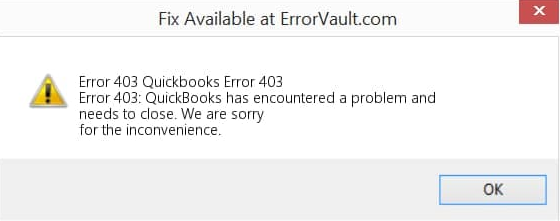
QuickBooks Desktop Error 403 occurs when the software cannot establish an internet connection, preventing payroll updates, online services, subscription verification, and other features to work correctly. Typically, this issue arises due to misconfigured internet settings, firewall restrictions, or proxy server interference. If left unattended, QuickBooks Error 403 can cause financial tasks to be disrupted and important updates to become delayed. There are several reasons that lead a user to encounter error code 403 in QB Desktop with a notification that goes:
“Error 403: Access Forbidden” or “Access Denied.”
In this blog, we will provide a detailed explanation of the causes and solutions to resolve 403 in QuickBooks Desktop for Windows efficiently. Let’s get started!
Error 403 in QuickBooks Desktop can cause several issues related to restricted internet access. The following are the common signs that a user should be able to address in order to restrict this error once and for all:
When users recognize these signs early, they can take corrective action before the issue affects essential accounting processes.
Also Read: Fix QuickBooks Internal Server Error 500
The QuickBooks Desktop software fails to connect to the internet due to network or security restrictions, resulting in error 403. Here are a few common causes:
Identifying these causes can help users restore internet connectivity in QuickBooks using the correct troubleshooting steps.
QuickBooks Error 404 Slowing You Down?
Don’t let this error disrupt your workflow. Follow our step-by-step solutions or contact us to resolve it in no time!
QuickBooks Desktop Error 403 can be resolved by identifying and addressing its underlying causes. If QuickBooks is unable to access online services due to internet settings, firewall restrictions, or user permissions, the following solutions can assist. The following methods can assist you in resolving the error and ensuring seamless connectivity.
Follow this solution even if you’re using Windows 10 or a different web browser.
Note: Please be aware that if you are utilizing the QuickBooks older version dated June 15, 2022, you may still use IE11. However, for users of the newer version, please utilize the built-in browser.
Edge has replaced Internet Explorer as Microsoft’s primary web browser. The Internet Explorer browser is still available in Windows 10. If it isn’t on your computer, you can access it through Microsoft Edge by following these steps:
You should be able to resolve the issue using these steps and resume QuickBooks’ online access if you follow them carefully. Try checking for additional network restrictions or updating QuickBooks if the problem persists.
QuickBooks Desktop error 403 can disrupt essential tasks such as payroll updates, subscription verification, and other online services. Usually, network restrictions, proxy settings, firewall configurations, or outdated QuickBooks versions cause the issue. It is imperative to address these factors in order to restore connectivity and ensure smooth operations.
Using the troubleshooting steps outlined in this blog, checking internet settings, disabling proxy servers, adjusting firewall permissions, and updating QuickBooks Desktop, you can effectively resolve the error. QuickBooks should be able to access the internet without interference if your network and system settings allow it.
If the problem persists, consult our QB specialists and get rid of system-level restrictions.
Access is forbidden due to permission issues when a 403-authentication error occurs. Here’s how to fix it:
1. Check login credentials and try again.
2. Clear your browser’s cache and cookies.
3. Disable your VPN or proxy.
4. Correct file permissions (for website owners).
5. If access is blocked, contact the website administrator.
A 403 error does not necessarily mean that it is permanent. The error occurs when access is forbidden because of permission issues, authentication errors, or server restrictions. The problem may be temporary if it is caused by misconfigurations, IP blocks, or login issues. If intentional (e.g., restricted content), it will persist until access is granted.
1. Check login credentials (username and password).
2. Reset your password if needed.
3. Clear browser cache and cookies.
4. Disable VPN or proxy.
5. Check network connection.
6. Update or reset authentication settings.
7. Contact support if the issue persists.
Account lockouts, incorrect permissions, server misconfigurations, and disabled accounts are common causes of authentication failures. Two-factor authentication (2FA) issues, browser cache conflicts, and VPN/proxy interference are also possible causes. Credentials must be verified, passwords must be reset, or security settings must be adjusted to fix the problem.
The 403 error occurs when a server denies access based on permission restrictions. User permissions are often insufficient, file and directory settings are incorrect, IP blocks are in place, authentication fails, or the server is misconfigured. Additionally, certain content or users can be blocked by security rules or disabled directory browsing.
About the author
Have a QuickBooks® question? Our ProAdvisors can help. QAsolved is not affiliated with Intuit.