

Imagine you are ready to tackle your finances for the day with a coffee mug in hand, but no matter how hard you try, you just can’t open QuickBooks Desktop. Frustrating, isn’t it? Well, there are millions of users across the globe who use QuickBooks regularly, and many of them often complain that their QuickBooks is not opening. Well, this is a classic error that restricts users and businesses to manage their finances effectively. Do you know how to fix the “QuickBooks won’t open or doesn’t start” error? If not, then you have landed on the right page.
Experiencing unresponsiveness, blank screens, or error messages can halt your accounting projects significantly. This issue can be caused by several factors, ranging from corrupted installation files to conflicts with your operating system. In this blog, we will help you get QuickBooks Desktop up and running smoothly again by walking you through the most common causes and the solutions to fix QuickBooks won’t open issues.
Causes Behind QuickBooks Desktop Doesn’t Start or Open Issue
There are several potential causes for QuickBooks Desktop failing to start or open. When QuickBooks Desktop fails to start, it can genuinely disrupt the entire workflow and create unnecessary frustration. Whether you’re trying to manage payroll, review financial reports, or simply access your company file, being locked out of the software can delay crucial tasks. Now let us understand the potential causes behind the “QuickBooks won’t open in error.”
- Corrupted Installation File: QuickBooks can malfunction due to damaged or incomplete installation files.
- Corrupted Company File: The software may not open due to a corrupted company file.
- Compatibility Issues: Running outdated versions of QuickBooks or your operating system can cause compatibility issues.
- System Requirements: There is a chance that your system does not meet the QuickBooks system requirements.
- Corrupted Hard Drive: QuickBooks can fail to launch if the hard drive on which it is installed is corrupted.
- Multiple Instances Running: QuickBooks might fail to open if it is already running.
- Long Company File Name: When the company file name exceeds 64 characters, QuickBooks might have trouble loading it.
- Damaged QBWUSER.INI File: QuickBooks cannot start if this configuration file becomes corrupted.
- Insufficient Permissions: Insufficient administrative rights may prevent QuickBooks from starting.
- Firewall or Security Settings: Excessive firewall or antivirus settings can prevent QuickBooks from starting.
Fortunately, there are enough troubleshooting steps and solutions available to get QuickBooks up and running again smoothly.
Symptoms of QuickBooks Not Opening or Start Error
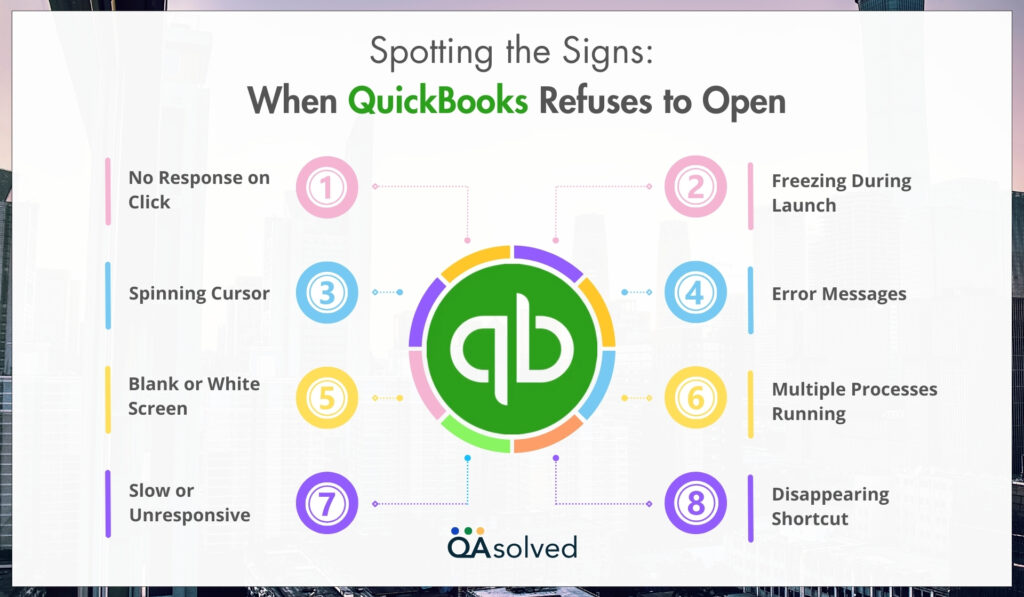
- No Response on Click: QuickBooks does not launch when you click the icon.
- Freezing During Launch: After the splash screen loads, the software freezes or remains stuck.
- Error Messages: QuickBooks will display messages such as “QuickBooks has stopped working” or “QuickBooks is not responding.”
- Spinning Cursor: The cursor continues to spin, but the program does not open.
- Blank or White Screen: QuickBooks appears with a blank or white screen.
- Multiple Processes Running: QuickBooks may appear in the Task Manager but not in the application.
- Slow or Unresponsive: The software may load slowly, and then crash.
- Disappearing Shortcut: QuickBooks Desktop shortcuts may stop working or disappear.
Many QuickBooks launch issues simply come down to running the software on a device that doesn’t meet its technical needs
25 Solutions to Fix the QuickBooks Desktop Won’t Open Error
QuickBooks may need a subscription if you are using an unsupported version or your subscription has expired. The Customer Account Management Portal allows you to download supported versions and check your subscription status. Here are the best solutions to get rid of QuickBooks Desktop won’t open issue:
But sometimes, the simplest issues arise when you run the software on systems that aren’t officially supported. That’s why we recommend taking a moment to verify your device meets the required specifications before you proceed.
- Operating System:
- QuickBooks Desktop 2023 supports Windows 11 (64-bit)
- QuickBooks Desktop 2022 and 2021 work on Windows 10 (64-bit)
- Processor: Minimum 2.4 GHz
- RAM: At least 4 GB
- Hard Drive Space: 2.5 GB free
- Display: 1280 × 1024 resolution
- Internet: Required high-speed internet for heavy updates and any online-enabled features.
- Additional Software: Compatible with Microsoft Office 2019 or Office 365
Ensuring your computer meets these benchmarks greatly improves performance. Now let’s move forward and look at solutions to fix it properly.
Solution 1: Run “Quick Fix My Program” from the QuickBooks Tools Hub
The solution involves two simple steps: downloading QuickBooks Tool Hub and running Quick Fix My Program. To complete the process, simply follow the instructions below:
Step 1: Download and Install the QuickBooks Tools Hub
The QuickBooks Tool Hub is a valuable tool to resolve such errors. For the ultimate experience, we recommend using Tool Hub on a 64-bit version of Windows 10.
Let’s understand how to download and install this viable tool with the help of the below-mentioned points:
- Ensure QuickBooks is closed so that Tool Hub can be accessed properly.
- Download the latest version of the QuickBooks Tool Hub (1.6.0.5) and save it to your Desktop or Downloads folder for easy access. If you have installed Tool Hub before, simply check the bottom of the Home tab to see which version you currently have.
- Launch and run the file you downloaded (QuickBooksToolHub.exe).
- Proceed with the on-screen instructions to Install the program and agree to the terms and conditions.
- Once the installation is complete, double-click the icon on your Windows desktop and launch the Tool Hub.
Note: To locate the icon, search for QuickBooks Tool Hub in Windows and select it.
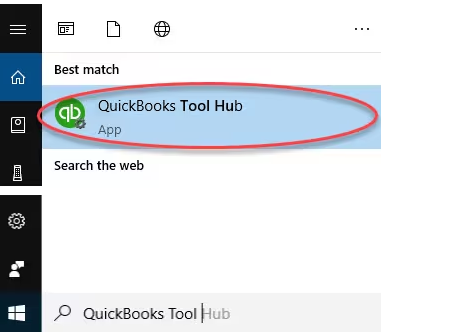
Tip: QuickBooks Desktop will not open if you hit/select the icon multiple times. Let QuickBooks load for a few minutes before continuing.
Step 2: Launch “Quick Fix My Program”
QuickFix will close any active background process used by QuickBooks and execute a quick repair on your program. Below are the points to run the Quick Fix My Program successfully:
- In the QuickBooks Tools Hub, access “Program Problems”.
- Next, choose “Quick Fix My Program”.

- Launch QuickBooks Desktop and access your data file.
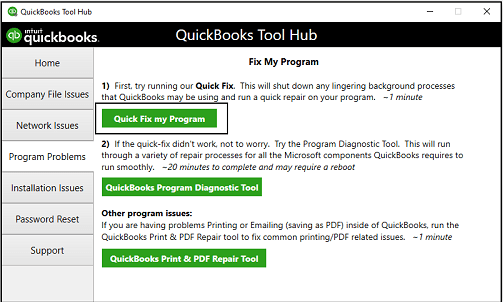
Following these crucial points will help you to initiate the Quick Fix My Program successfully with the help of Tools Hub without any disruptions.
Continue to Solution 2 if the error persists.
Solution 2: Determine Whether Your File or Program is at Fault
It’s important to determine whether the problem lies with QuickBooks or your data file. If your company file has not been opened in a while, QuickBooks may attempt to open it.
Step 1: Exist All Active Windows and Access Your File
- Access QuickBooks Desktop.
- Choose your company file in the No Company Open screen.
- Hold down the ALT key and click Open. Hold ALT until the file opens.
- Press and hold ALT while selecting OK when prompted to sign in.
Step 2: Temporarily Disable QuickBooks
- Double-click the QuickBooks Desktop icon while holding down the Ctrl key.
Note: Hold the Ctrl key until you see No Company Open or QuickBooks freezes. - Open the file of a company you selected.
If the error continues, move on to Solution 3.
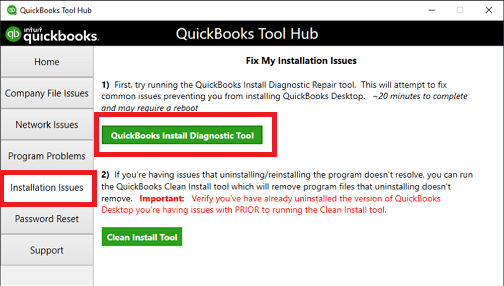
Solution 3: Use the “QuickBooks Install Diagnostic” tool
The tool identifies and fixes QuickBooks installation problems automatically, so you can get back to work quickly. The QuickBooks Install Diagnostic Tool can be used to resolve the issue by following the steps below:
- Open the QuickBooks Tool Hub.
- In Tools Hub, navigate to “Installation Issues”
- Choose QuickBooks Install Diagnostic Tool and allow it to run.

- Once the tool completes its work, restart your computer.
- Then, launch QuickBooks Desktop and open your data file.
Still, facing issues? Don’t worry! Jump to Solution 4.
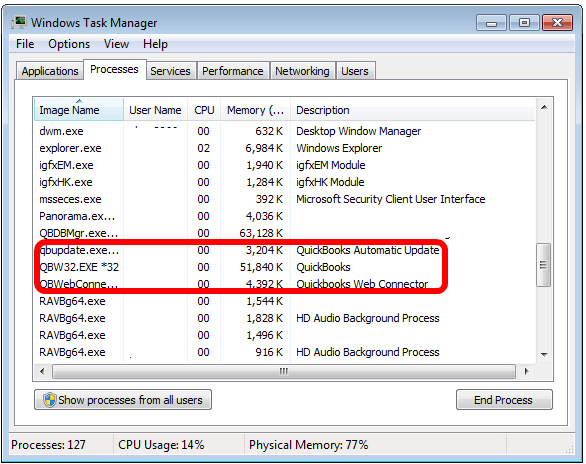
Solution 4: Repair QuickBooks Installation, End All QuickBooks Tasks from Task Manager
To repair your QuickBooks Desktop installation, simply follow these steps:
- Press Ctrl + Alt + Del on your keyboard.
- Choose Task Manager from the options.
- Go to the Processes tab.
- Right-click any active QuickBooks process.
- Select End Process.
- When prompted, confirm by choosing End all processes.

- Once done, try launching QuickBooks again.
- Then select the option to Repair QuickBooks.
Solution 5: Reinstall QuickBooks Desktop
Let’s take a look at the steps that can be followed to uninstall and reinstall QuickBooks Desktop. However, it’s important to back up your company files before reinstalling QuickBooks Desktop to prevent data loss. Make sure these files are stored in a secure location, preferably on an external hard drive or in the cloud.
Tip: It is also a good idea to write down any product and license information, as you will need these details during the reinstallation.
There are two methods for reinstalling QuickBooks Desktop. For each method, follow the steps below:
Method 1: Remove and Install QB Desktop Again
Step 1: Uninstall QuickBooks
- Navigate to the Control Panel from the Windows Start menu.
- Click on Uninstall a program or Programs and Features.
- Locate the QuickBooks Desktop version you want to uninstall.
- Proceed by clicking on Uninstall/Change, then select Remove, and click Next.
- Now sign in as an administrator or a user who has admin rights.
Step 2: Reinstall QuickBooks again
Once the process is completed, reinstall QuickBooks Desktop. QuickBooks automatically renames old folders and creates new ones during installation.
You can move on to method 2 if this doesn’t work.
Method 2: Manually Install QB and Rename Installation Folders
- Ensure QuickBooks has been uninstalled completely.
- Move to the Windows Start menu and search for “File Explorer.”
- Locate the folder where your QuickBooks company files are stored, typically in one of the following places:
- C:\ProgramData\Intuit\QuickBooks (year)
- C:\Users(current user)\AppData\Local\Intuit\QuickBooks (year)
- C:\Program Files\Intuit\QuickBooks (year)
- For 64-bit: C:\Program Files (x86)\Intuit\QuickBooks (year)
- You can prevent QuickBooks from accessing the folder during reinstallation by right-clicking and renaming it with “old.”
- Now proceed to reinstall QuickBooks Desktop.
When renaming a folder, you might receive the following error message:
- In Windows Taskbar select Task Manager.
- Navigate to the Processes tab.
- To sort the processes, click on the Name column.
- Locate and terminate the following processes one by one: QBDBMgrN.exe, QBDBMgr.exe, QBCFMonitorService.exe, and Qbw32.exe.
- If a warning message appears stating “WARNING: Terminating a process may result in undesired results..”, click Yes to proceed.
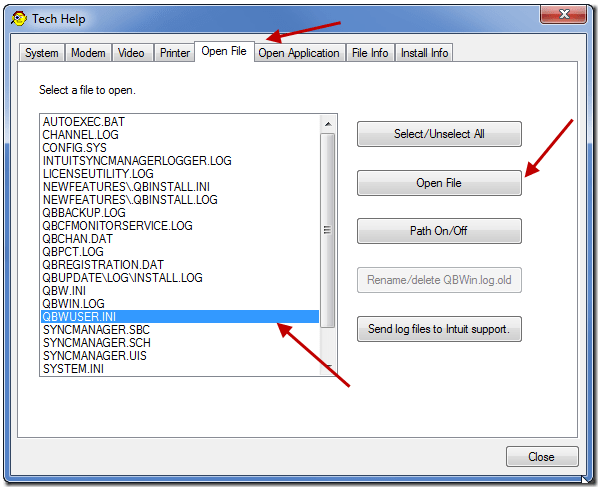
Solution 6: Rename the QBWUSER.INI File
Sometimes, QuickBooks fails to start because the configuration file QBWUSER.INI becomes corrupted or missing. Renaming this file forces QuickBooks to create a fresh, error-free version. Follow these steps carefully:
- Go to the location where the QBWUSER.ini file is stored. C:\Users\<Your Username>\AppData\Local\Intuit\QuickBooks (year)
- Right-click the QBWUSER.ini file and select Rename.

- Add .old at the end of the filename (for example: QBWUSER.ini.old).
- Rename the EntitlementDataStore.ecml file as well.
- Launch QuickBooks Desktop again.
- If QuickBooks opens after renaming either file, try opening a sample company file to confirm everything is working normally.
- Open the Start menu on your Windows system.
- Search for File Explorer and launch it.
- Navigate to your QuickBooks installation folder and locate the .exe file.
- Press and hold the Ctrl key, then double-click the file. Keep holding Ctrl until QuickBooks launches.
- Once QuickBooks opens, try accessing your company file. If it still doesn’t load, perform another check by opening a sample company file instead.
Tip: Renaming the QBWUSER.INI file often resolves startup errors caused by corrupted configuration settings. If the problem persists after these steps, your company file may be damaged, consider restoring from a backup.
Solution 7: Suppress QuickBooks Desktop Installation
If QuickBooks keeps crashing or freezing during startup, opening it in No Company Open mode can bypass errors related to your company file. Here’s how:
- Right-click the QuickBooks Desktop icon.
- Hold down the Ctrl key and click Open, keeping the Ctrl key pressed until the No Company Open window appears.
- Once the window opens, proceed to launch QuickBooks Desktop.
Solution 8: Access the Company File from a Different Location
Sometimes QuickBooks won’t open due to issues with the file path or network location. Copying your company file to a local folder can help.
- Press Windows + E to open File Explorer.
- Locate your QuickBooks company file with the qbw file extension.
- Find the company file with the .qbw extension.
- If the file is stored on a network, make sure you browse to the network drive where it’s located.
- Right-click the file and choose Copy.
- Go to your C: drive and create a new folder.
- Name the folder QbTest.
- Open this folder and paste the copied company file inside it.
- Launch QuickBooks while holding the Ctrl key.
- Then try opening the company file you just moved to the QbTest folder.
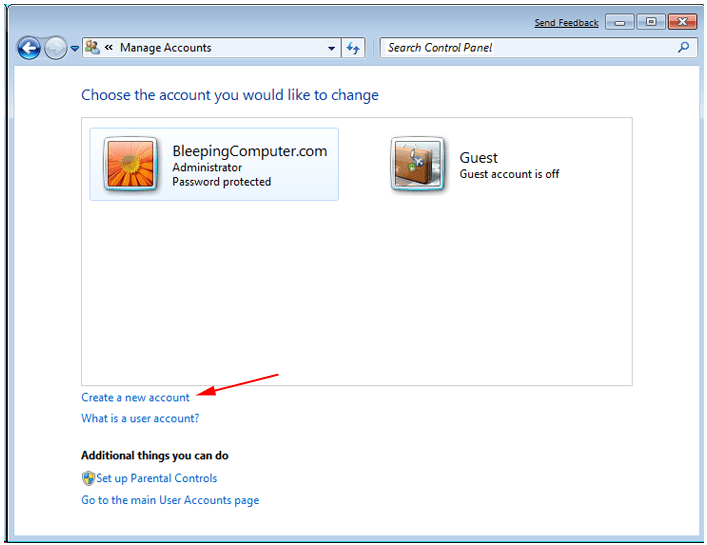
Solution 9: Create a New Windows Admin User
Insufficient permissions can prevent QuickBooks from launching correctly. Creating a new Windows admin account can solve this issue:
- First, open your Control Panel and navigate to User Accounts.
- Then, click on Manage User and then Add a New User.

- Enter the user name and domain (if applicable).
- If you’re on Windows 10, choose the Administrator option.
- Click Finish to return to the User Accounts dialog box.
- Once the window appears, select OK to confirm the changes.
Tip: A fresh admin account ensures QuickBooks has full access to all necessary system files, avoiding startup and permission errors.
Solution 10: Restart Your Desktop
A simple system reboot can refresh Windows components that QuickBooks depends on. If QuickBooks fails to open, restart your computer preferably twice to rule out momentary OS or memory conflicts.
Solution 11: Temporarily Disable Antivirus Software
Sometimes, third-party antivirus programs can interfere with QuickBooks Desktop and block essential files from running. To rule this out, temporarily disable your antivirus software and then try opening QuickBooks again. If the program launches without any issues, it’s likely that your antivirus is restricting QuickBooks processes.
In that case, re-enable the antivirus and add QuickBooks to its list of trusted applications or exclusions. This helps ensure your system stays protected while allowing QuickBooks Desktop to run smoothly.
Solution 12: Configure Firewall Settings
Windows Firewall can sometimes block QuickBooks from connecting to its components or the internet. Configuring the firewall to allow QuickBooks can resolve this issue. Here are the steps;
- Open Windows Defender Firewall and go to Advanced Settings.
- Create new inbound and outbound rules for the following QuickBooks executables:
- QBW32.exe
- QBDBMgrN.exe
- QBServerUtilityMgr.exe
- IntuitSyncManager.exe
- QBUpdate.exe
- Save the changes and restart QuickBooks.
Tip: By adjusting these firewall settings, you widen the pathway for QuickBooks to communicate with the system and the internet without interference.
Solution 13: Run the QuickBooks Reboot.bat File
The Reboot.bat file re-registers QuickBooks components with Windows, essentially performing a system refresh for QuickBooks without needing a full reboot.
- Navigate to the QuickBooks installation folder:
- 32-bit Windows: C:\Program Files\Intuit\QuickBooks [year]
- 64-bit Windows: C:\Program Files (x86)\Intuit\QuickBooks [year]
- Now, right click on Reboot.bat and then select Run as Administrator.
- Wait for the Command Prompt to finish running all the commands.
- Once everything completes, restart your computer and then try opening QuickBooks again.
This simple yet effective method resolves minor startup hiccups by re-establishing proper system settings and refreshing QuickBooks’ core components.
Solution 14: Check the Hosting Settings
Only one computer should act as the host for your company files, workstations shouldn’t be set to host multi-user access. Otherwise, QuickBooks may fail to open. Here’s how to verify this on your workstations:
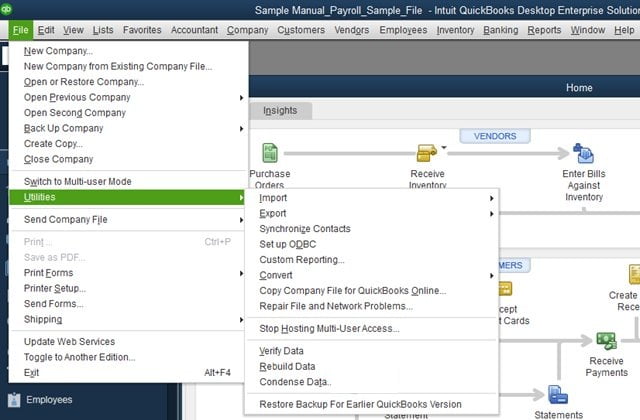
- Open QuickBooks and go to the File menu.
- Select Utilities from the list.
- If you see the option Stop Hosting Multi-User Access, click it. If the option isn’t visible, hosting is already disabled on that workstation.

Solution 15: Bring the QuickBooks Window to the Front
Sometimes QuickBooks opens but remains hidden behind other active windows. Here’s How to pull it forward:
- Open Task Manager. ( Ctrl + Shift+ Esc).
- Right-click on the QuickBooks entry and select Expand.
- You’ll see the company file listed underneath in Task Manager.
- Right-click that sub-entry and choose Bring to Front.
- This will pull the hidden QuickBooks window back into view.
Solution 16: Maximize the QuickBooks Window from Task Manager
If QuickBooks is minimized or stuck off-screen, you can follow these two options:
Option 1
- Launch the QuickBooks Online Desktop app.
- Hover your cursor over the QBO icon, and a small preview window will appear.
- Right-click that preview window and select Maximize to open it fully.
Option 2
- Open Task Manager and navigate to the Processes tab.
- Locate QuickBooks under the Apps section.
- Right-click it and select Maximize to bring the window into view.
- If QuickBooks opens, avoid loading the company file – instead, stay on the No Company Open screen where the File and Help menus are available.
- From here, try updating QuickBooks to help ensure it launches properly without further errors.
Solution 17: Launch and Run QuickBooks in Compatibility Mode
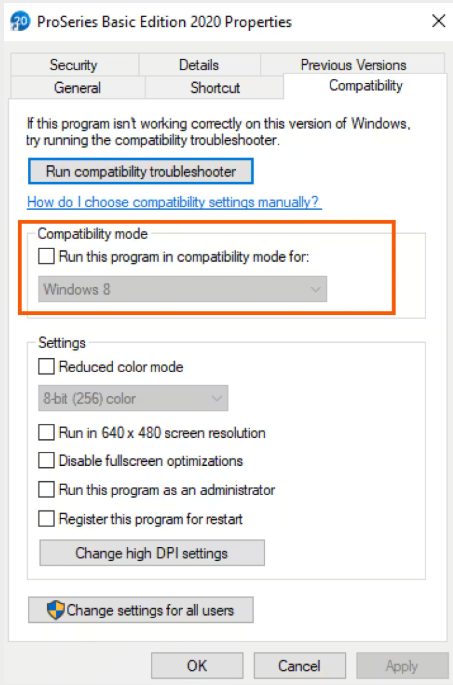
Another effective method to try when QuickBooks refuses to open is to run the program in compatibility mode. Here’s how QuickBooks functions when launched in compatibility mode:
- Right-click the QuickBooks desktop icon.
- Then, click on Properties in the options.
- Open the Compatibility tab in the program’s properties window.
- Check the option that says Run this program in compatibility mode for.
- Finally, pick a compatible Windows version from the dropdown and continue.

Solution 18: Turn Off Internet Temporarily
Some older QuickBooks versions try to load ads through the internet on startup, causing freezes.Here are the steps:
- Turn off the internet on the customer’s computer to stop ads from loading in the Left Navigation Bar.
- Start QuickBooks Desktop and open the customer’s company file.
- Update the user preferences in QuickBooks Desktop to disable the Left Navigation Bar.
- Reconnect the internet and continue using QuickBooks Desktop with the navigation bar now turned off.
Solution 19: Ensure Internet Explorer Is Installed
If QuickBooks Desktop refuses to open because of issues with Internet Explorer, a browser no longer supported in modern QB versions but still required for older releases, you can try the following steps to get things running smoothly again:
- First, open the Start menu and go to Settings.
- Then, navigate to the Apps and then click on Apps & Features.
- If Internet Explorer isn’t listed, select Manage Optional Features, then choose Add a feature.
- Now, locate and install or enable Internet Explorer.
- Finally, restart your computer to apply the changes, then try opening QuickBooks again.
Solution 20: Make Internet Explorer the Default Browser
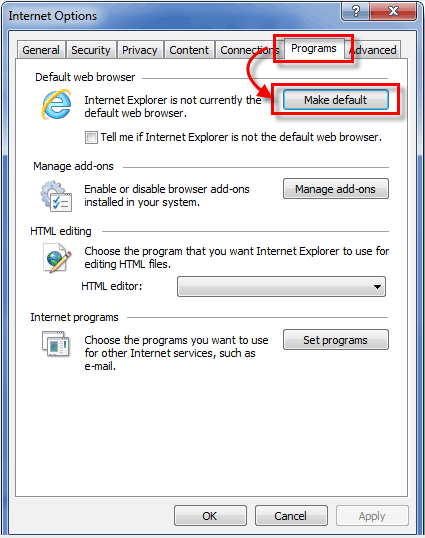
If QuickBooks isn’t opening because of Internet Explorer issues, try updating Internet Explorer from Microsoft’s website and set it as your default browser using the steps below:
- Open Internet Explorer.
- Click the Gear icon in the top-right corner (or select Tools).
- Go to Internet Options and switch to the Programs tab.
- Under the Default Web Browser section, select Make Default.

- Click OK to save your changes.
Solution 21: Update to a Newer and Supported QuickBooks Version
If you’re running an outdated QuickBooks release, compatibility issues may prevent the program from opening. Updating to the latest version often resolves version-related failures.
Solution 22: Correct Your Computer’s Date Format
QuickBooks may refuse to launch if the Windows date format is incorrect.
- Required format is MM/DD/YY.
Fixing this and restarting QuickBooks often resolves the issue immediately.
Solution 23: Run the QuickBooks Refresher Tool
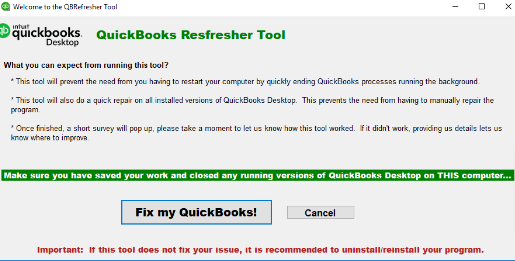
The Refresher Tool closes background QuickBooks processes and performs a short repair.
- Close all running versions of QuickBooks Desktop.
- Download the QuickBooks Refresher Tool from the official website.

- Save the file to your desktop and run the tool.
- Once it finishes, reopen QuickBooks Desktop and try accessing it again.
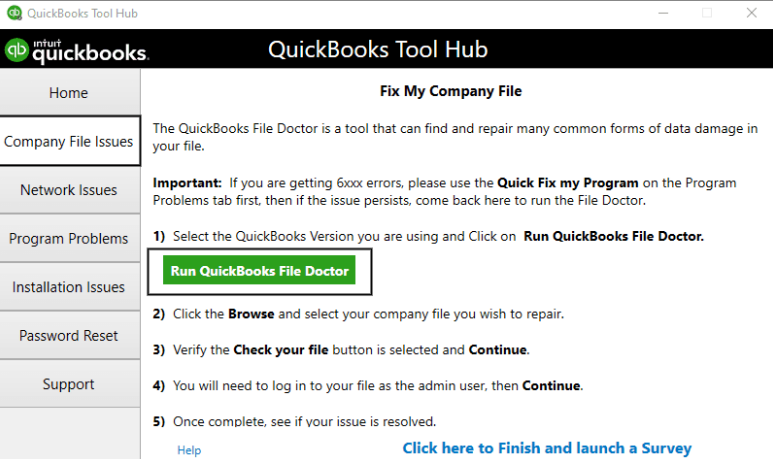
Solution 24: Run QuickBooks File Doctor
Downloading, installing, and using the QuickBooks File Doctor is another reliable way to fix issues when QuickBooks won’t open. This tool is designed to automatically detect and repair common company file and network problems. But because the Verify and Rebuild utilities aren’t available in this situation, you can try the following steps instead:
- Open the Company File Issues section in the QuickBooks Tool Hub.
- Select Run QuickBooks File Doctor.

- When the File Doctor window appears, you’ll see a dropdown list of company files, choose the one you need.
- If it’s not listed, click Browse to locate it manually.
- Then, choose Check your file, then select Continue.
- Finally, enter your QuickBooks admin password when prompted and click Next to begin the repair.
Solution 25: Manually Repair the Microsoft .NET Framework
QuickBooks relies heavily on .NET Framework. If corrupted, QuickBooks may open without displaying the main screen. And if QuickBooks opens but doesn’t appear on your screen, the problem may be related to a damaged Microsoft .NET Framework. Because these components impact how QuickBooks runs, try fixing them manually with the following steps:
- Close any programs that are currently running.
- Open the Start menu, search for the Control Panel, and launch it.
- Navigate to Programs and Features and click Uninstall a Program (you won’t actually be uninstalling anything).
- Select Turn Windows features on or off.
- Find .NET Framework in the list and review the settings for both .NET Framework 4.5 (or later) and .NET Framework 3.5 SP1.
Note: The repair steps are the same for .NET Framework versions 4.5, 4.6, 4.7, and 4.8.
A. Look Into .NET Framework 4.5 (or Later)
- If the .NET Framework 4.5 (or later) box is unchecked:
- Check the box to turn on .NET Framework 4.5 (or later).
- Click OK to apply the changes.
- Restart your computer.
- If the .NET Framework 4.5 (or later) box is already checked:
- Clear the checkbox to temporarily disable .NET Framework 4.5 (or later). Don’t turn it back on yet.
- Click OK to save the changes.
- Restart your PC.
- Once Windows loads again, repeat the steps to turn .NET Framework 4.5 back on.
B. Look Into .NET Framework 3.5 SPI
- If the .NET Framework 3.5 SP1 box is not selected:
- Check the box to turn on .NET Framework 3.5 SP1.
- Click OK to save the changes.
- Restart your computer.
- If the .NET Framework 3.5 SP1 box is already selected:
- Uncheck the box to temporarily disable .NET Framework 3.5 SP1, and don’t turn it back on yet.
- Click OK to apply the changes.
- Restart your PC.
- After Windows restarts, repeat the steps to enable .NET Framework 3.5 SP1 again.
Conclusion
The QuickBooks Desktop cannot open due to a number of underlying issues, including software corruption, installation errors, and system compatibility issues. You can effectively troubleshoot and resolve the problem by following the solutions provided, such as checking the system requirements, renaming configuration files, resolving compatibility issues, and reinstalling the program.
Keeping your system up-to-date and installing your software correctly is essential. Maintaining your QuickBooks data in optimal condition and regularly backing it up can also prevent future problems. If you are still facing the same issue, then it’s best to connect with our experts for the QuickBooks Desktop support.
Frequently Asked Questions
If you receive a “Files in use” error message while repairing QuickBooks, follow these steps:
1. Click the “Ignore” button in the error message box.
2. Click “OK” if prompted to restart your computer.
3. If the “Ignore” button is not visible, click “Close” and proceed with the repair process.
To restart your system after applying the solution steps, follow these steps:
1. Access the Windows Start menu.
2. Click the “Power” button.
3. Select “Restart.”
Your computer will shut down and automatically restart. Wait for the process to complete.
You can force QuickBooks to start without loading your company file by using the “CTRL Launch” method: Press and hold the CTRL key → Double-click the QuickBooks Desktop icon → Keep holding CTRL until the “No Company Open” window appears. This bypasses any file-related issues and forces QuickBooks to launch the program only.
If QuickBooks becomes unresponsive, press Ctrl + Shift + Esc to open Task Manager, select QBW32.exe, and click End Task. Once closed, relaunch QuickBooks. If freezing continues, run Quick Fix My Program from the QuickBooks Tool Hub, repair QuickBooks Desktop from Control Panel, or temporarily disable conflicting apps such as antivirus or backup sync tools.
Slow launch times usually indicate:
1. Oversized company file
2. Damaged program components
3. Low system memory
4. Too many background processes
5. Outdated Windows or QuickBooks version
6. Network delays (if hosted on a server)
QuickBooks Desktop may not open after an update due to damaged installation files, incomplete updates, or compatibility issues. Running Quick Fix My Program, repairing QuickBooks, or starting QuickBooks in Safe Mode usually resolves it.
QuickBooks Online may fail to open if your browser cache is full, extensions are blocking the site, or internet settings are outdated. Try incognito mode, clear cache, disable extensions, or switch to a supported browser.
The QuickBooks mobile app may not open on iPhone because of outdated app versions, iOS glitches, or corrupted app data. Updating the app, restarting the iPhone, or reinstalling the app typically fixes the issue.
If QuickBooks Desktop won’t open in Windows 10 or 11, try the following steps:
1. Run as Administrator – Right-click the QuickBooks Desktop icon and select Run as Administrator.
2. Use QuickBooks Tool Hub – Download and open the Tool Hub, then go to Program Problems → Quick Fix my Program.
3. Check for Background Processes – Press Ctrl + Shift + Esc, open Task Manager, and end processes like QBW32.exe if QuickBooks is running but not opening.
4. Repair QuickBooks – Go to Control Panel → Programs and Features → QuickBooks → Repair.
5. Check Windows Updates – Make sure Windows 10 or 11 is fully updated, as outdated updates can prevent QuickBooks from opening.
6. Temporarily Disable Antivirus/Firewall – Security software can block QuickBooks from launching.
QuickBooks Desktop 2024 may not open due to:
1. Damaged installation files or corrupted program components.
2. Issues with your company file (try renaming .ND and .TLG files).
3. Outdated Windows or QuickBooks updates.
4. Conflicting applications like antivirus, backup, or sync software.